
Are Belly Bands Safe During Pregnancy? Benefits, Safety Tips, and When to Wear One
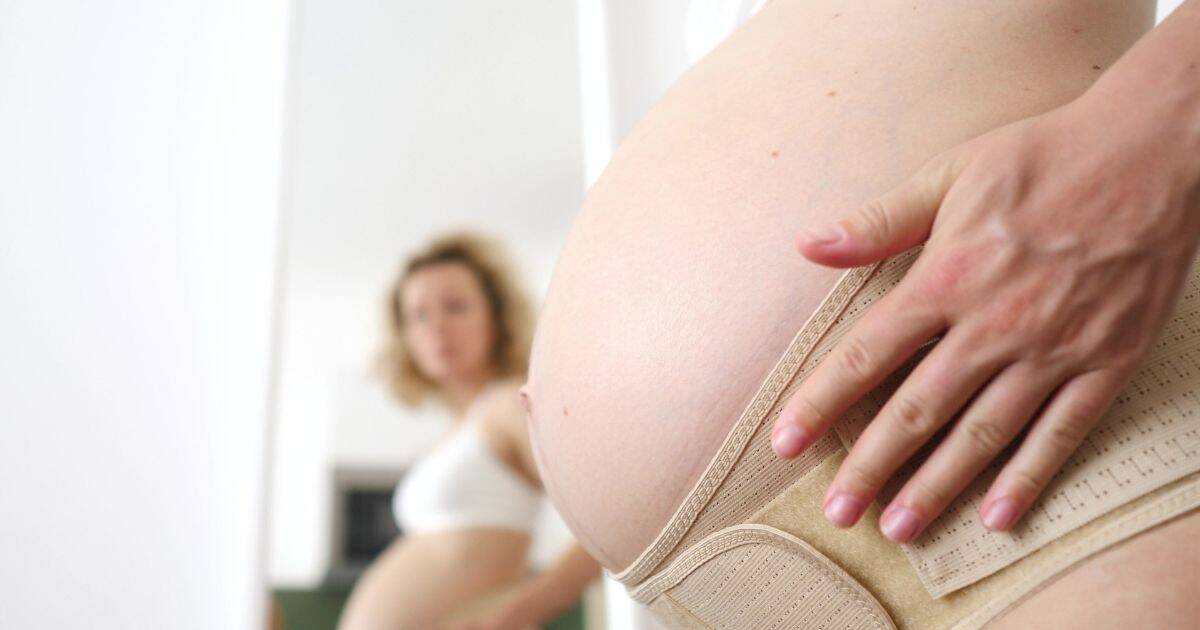
Many pregnant parents experience back pain, pelvic pressure, or abdominal discomfort as their belly grows. A common question we hear is: Are belly bands safe during pregnancy? Another popular search is: Can I wear a belly band while sitting? Because opinions vary, we asked an expert to break down the facts.
What Is a Pregnancy Belly Band?
A pregnancy belly band, also called a maternity support belt or pregnancy support band, is a soft, breathable garment that wraps around the lower abdomen. Most belly bands have:
- Stretchy, adjustable straps
- Breathable fabrics
- Gentle compression
- A lift from underneath the belly
These features allow the band to “grow” with your pregnancy while reducing stress on muscles and ligaments.
Are Belly Bands Safe During Pregnancy?
Yes — for most people, belly bands are safe during pregnancy when worn correctly and with guidance from a healthcare provider. They can help:
- Ease back, hip, and pelvic pain
- Support the bump during movement
- Improve posture
- Reduce ligament strain
However, every pregnancy is different. Always check with your provider before starting any new supportive garment routine, especially if you have circulatory or blood pressure concerns.
Do You Need a Belly Support Band?
Not everyone needs a belly support band, but many pregnant parents find them helpful, especially if experiencing:
- Diastasis recti
- Low back pain
- Round ligament pain
- Pelvic instability
- Discomfort during exercise
- Fatigue when standing for long periods
Even in a healthy, low-risk pregnancy, maternity compression is beneficial for posture, comfort, and movement.
Can I Wear a Belly Band While Sitting?
Yes, you can wear a belly band while sitting, and many people find it helpful during office work, driving, or long periods of rest. Sitting can strain the lower back, so gentle lift and support can reduce fatigue.
Just remember:
- Sit upright (no slouching)
- Avoid cinching the band too tightly
- Take breaks after a couple of hours
How Belly Bands Work: Posture, Balance, and Pain Relief
Pregnancy changes your center of gravity, pulling your belly forward and increasing curvature in the lower spine (lordosis). This shift can place extra strain on:
- Lower back muscles
- Hip joints
- Pelvic floor
- Abdominal wall
If you have diastasis recti, the lack of core strength makes this curve more exaggerated. A belly band helps by:
- Stabilizing the pelvis
- Supporting weakened connective tissue
- Improving alignment
- Reducing muscular fatigue
Better posture also encourages optimal fetal positioning before birth — a huge bonus.
Belly Bands and Exercise During Pregnancy
Current recommendations encourage 30 minutes of moderate exercise most days of the week during pregnancy. Exercise supports:
- Cardiovascular health
- Mental wellbeing
- Reduced risk of gestational diabetes
- Lower risk of hypertension
One of the biggest barriers to exercise during pregnancy is pain with movement.
A belly band can:
- Support abdominal muscles
- Reduce discomfort during walking or workouts
- Improve endurance
- Make exercise more accessible and consistent
This means fewer skipped workouts and better overall health during pregnancy.
Who Should Consider a Belly Band?
You may benefit if you:
Stand for long shifts
Sit for extended periods
Have difficulty supporting your bump during daily tasks
Have a history of back or pelvic pain
How Long Can You Wear a Belly Band Each Day?
Experts recommend wearing a belly band for 1–3 hours at a time. The goal is to support, not replace, your core muscles.
Signs your belly band is too tight:
Shortness of breath
Tingling or numbness
Increased pelvic pressure
Gentle compression is ideal.
Are Belly Bands Recommended During Pregnancy?
Many physical therapists, doulas, and OB providers do recommend belly bands during pregnancy, especially for:
Workdays requiring long standing
Active pregnancies
Postural support
Pelvic girdle pain
A Belly Band is not recommended if:
Compression causes discomfort
You have certain blood pressure or vascular conditions
You are advised against abdominal pressure
Check with your provider for personalized guidance.
Tips for Wearing a Belly Band Safely
✔ Consult your healthcare provider first
✔ Wear for only a few hours at a time
✔ Avoid overly tight compression
✔ Continue practicing good posture
✔ Pair with gentle strengthening exercises
Can Insurance Cover a Belly Band?
In many cases, yes, maternity compression garments may be covered by insurance. Contact your provider to ask which brands or styles qualify.
The Bottom Line
Are belly bands safe during pregnancy? For most pregnant parents, yes, and they can be incredibly helpful.
A belly band can:
Reduce pain
Support posture
Make exercise more comfortable
Improve daily functioning
Support optimal fetal positioning
And if you’re wondering “Can I wear a belly band while sitting?” — yes, you can, as long as you take breaks and keep the fit gentle.
If you are experiencing discomfort in pregnancy or needing extra support once baby arrives,in-home postpartum care can make an enormous difference. Our newborn care specialists and postpartum doulas help with feeding, recovery, sleep routines, and hands-on newborn care right in your home. Reach out to learn how we can support your healing and comfort during the fourth trimester.

Helpful tips from your team at Well Supported Family.
Expert postpartum and newborn advice you can trust.
Since 2016, Well Supported Family has walked alongside thousands of new parents as they adjust to life with a newborn. Our certified Postpartum Doulas and Newborn Care Specialists offer daytime, overnight, and 24/7 in-home care across the United States, bringing steady, knowledgeable support right to your door. If you’re recovering from birth, navigating feeding, or simply overwhelmed by the lack of sleep, we’re here to make those early days feel a little lighter.
Want to explore in-home care for your new family? Reach out today.