
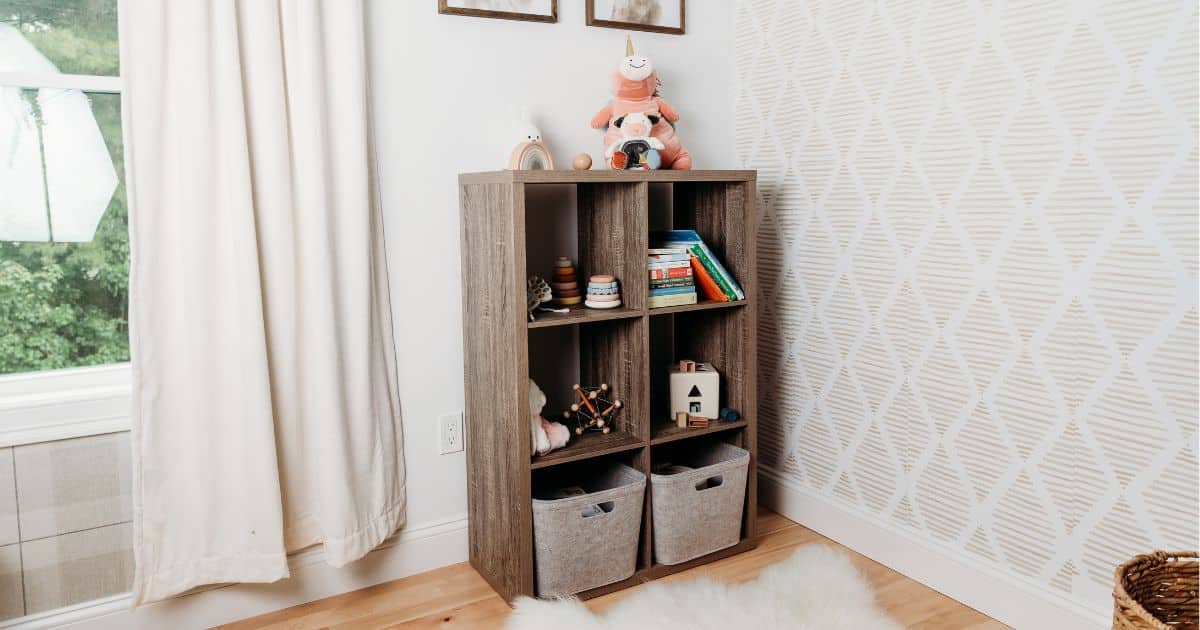
Welcoming a new baby into your home brings so much joy—and plenty of decisions, too. One of the earliest choices parents face is selecting toys that are safe and developmentally meaningful. According to the American Public Health Association, December is Safe Toys and Gifts Awareness Month, this gentle guide will help you confidently choose safe toys for infants that support exploration, learning, and bonding.
This annual awareness campaign was started by Prevent Blindness America to encourage consumers to choose safe, age-appropriate toys during the holidays, especially since over 180,000 children visit the ER annually for toy -related injuries.
Parents are often surprised to learn that not every baby toy on store shelves meets the highest toy safety standards. With a little guidance , it becomes much easier to spot high-quality toys and avoid those that could pose a risk. Think of this as your friendly, judgment-free roadmap to choosing toys you can truly trust.
What to Look for When Choosing Safe Baby Toys
Age-Appropriateness
Every baby grows at their own pace, but age labels on toys are designed with safety and developmental milestones in mind. Choosing safe toys for newborns, younger infants, or even safe toys for 1-year-old babies ensures your child is playing with toys that match their abilities, curiosity, and safety needs. Age-appropriate toys also give babies just the right amount of challenge, never too little, never too much.
Toys for infants: 0-6 Months
- Toys they can reach for, that rattle or shake, can go in mouths without issue or can crinkle. Soft rattles, crinkle paper, teething toys, teething balls, etc.
- Board books, especially ones with high contrast visuals. Rhyming is also helpful at this age.
- Toys with shatter proof mirrors.
- Soft stuffed animals or dolls. Always make sure to supervise play with any stuffed objects.
Toys for Infants: 7-12 months
- Toys that allow children to take things in and out, for example, blocks that drop into an object or handkerchiefs that can be pulled out of a plush object and re-inserted.
- Things to build with: large blocks, soft furniture, etc.
- Walking tools, such as a wooden push cart with an activity center on the front.
- Activity centers or boards that challenge how movement works.
No Small Parts
Little hands love to explore and little mouths love to explore even more. Avoiding small parts is one of the most important ways to prevent choking. Anything that fits inside a toilet paper tube—or falls under the US Consumer Product Safety Commission’s official choking hazard measurement guidelines (smaller than 1.25 inches wide and 2.25 inches long)—should stay out of your baby’s reach. Knowing the recommended choking hazard size by age helps parents feel more confident during toy shopping.
Watch for Hidden Hazards
Even adorable, well-intended toys can come with risks. As you shop, avoid:
- Strings, ribbons, or cords longer than 12 inches
- Toys with pieces that can easily break off
- Stuffed animals with button eyes or glued-on decorations
- Foam toys that can be bitten or torn into small pieces
- Any toy containing small magnets
A helpful rule of thumb: if a toy seems like it might come apart or feels fragile, it’s best to choose something sturdier. Your baby’s safety and curiosity deserve the most reliable infant safe toys available.
Choose Safe, Non-Toxic Materials
As a parent, you’re probably aware that everything and anything will go into your baby’s mouth. Babies experience the world through touch and taste. That’s why safe toys for children should always be made from non-toxic, baby-friendly materials.
Great options include:
- Smooth, natural wood
- BPA-free plastics
- Food-grade silicone
- Water-based paints and finishes
When in doubt, check labels or the brand’s website to confirm that the toy is made with safe materials. You’re not being overly cautious, you’re being a wonderfully attentive caregiver. No matter what grandma might say.
Consider Sound Levels
Toys with music and sound can be fun, but babies’ ears are delicate. As a general rule, if a toy seems loud to an adult, it may be too loud for a baby. Softer or adjustable volumes help ensure playtime is gentle on developing hearing.
What to Avoid When Selecting Baby Toys
To keep your little one safe, steer clear of:
- Toys with small, removable parts
- Foam toys that crumble or break
- Toys with long strings or cords
- Brittle plastics that can snap
- Balloons (both whole and popped pieces can pose choking risks)
With a few simple checks, you can easily avoid the most common hazards and keep playtime joyful.
How We Can Help with Baby Safety
Having a certified Newborn Care Specialist in your home can help alleviate any worries you may have about choosing toys or gifts for your or other babies this holiday season. Our team has experience with setting you on the right path to ensure your baby is in safe hands at all times.
What makes a toy safe for babies?
A safe toy is age-appropriate, well-made, free of small parts, and crafted from non-toxic materials. It should be sturdy enough to withstand chewing, dropping, and gentle tugging.
What toys are unsafe for newborns?
Avoid toys with small pieces, loud electronics, long strings, batteries accessible from the outside, or materials that can break or peel.
How do I check if a baby toy is non-toxic?
Look for clear labels such as “non-toxic,” “phthalate-free,” “BPA-free,” or trusted safety certifications.
What size parts are considered choking hazards?
Anything smaller than the standard choking hazard measurement (1.25 inches wide, 2.25 inches long) should be kept away from babies.
Are there specific toy safety certifications parents should look for?
Yes—ASTM F963, CPSIA compliance, and third-party safety testing are reliable indicators.
How do I know if a toy is age-appropriate for my baby?
Follow the age label, but also consider your baby’s developmental stage. If a toy seems too complex or too simple, trust your instincts. You know your baby and where they are at developmentally better than anyone.
What materials should I avoid in baby toys?
Avoid foam, breakable plastics, peeling paint, or toys with a strong chemical smell.
How do I check if a baby toy has been recalled?
Visit the Consumer Product Safety Commission (CPSC) recall database to stay current.
Are teething toys and rattles safe for newborns?
Many are! Just be sure they are labeled for newborn use and made from one-piece, non-toxic materials.
What toys are recommended for babies under 3 months?
Soft rattles, high-contrast cards, simple sensory toys, and cloth books are all lovely early play companions.
How often should I inspect baby toys for wear or damage?
A quick weekly check is a great habit—more often if your baby is teething or loves to mouth toys.

Helpful tips from your team at Well Supported Family.
Expert postpartum and newborn advice you can trust.
Since 2016, Well Supported Family has walked alongside thousands of new parents as they adjust to life with a newborn. Our certified Postpartum Doulas and Newborn Care Specialists offer daytime, overnight, and 24/7 in-home care across the United States, bringing steady, knowledgeable support right to your door. If you’re recovering from birth, navigating feeding, or simply overwhelmed by the lack of sleep, we’re here to make those early days feel a little lighter.
Want to explore in-home care for your new family? Reach out today.