
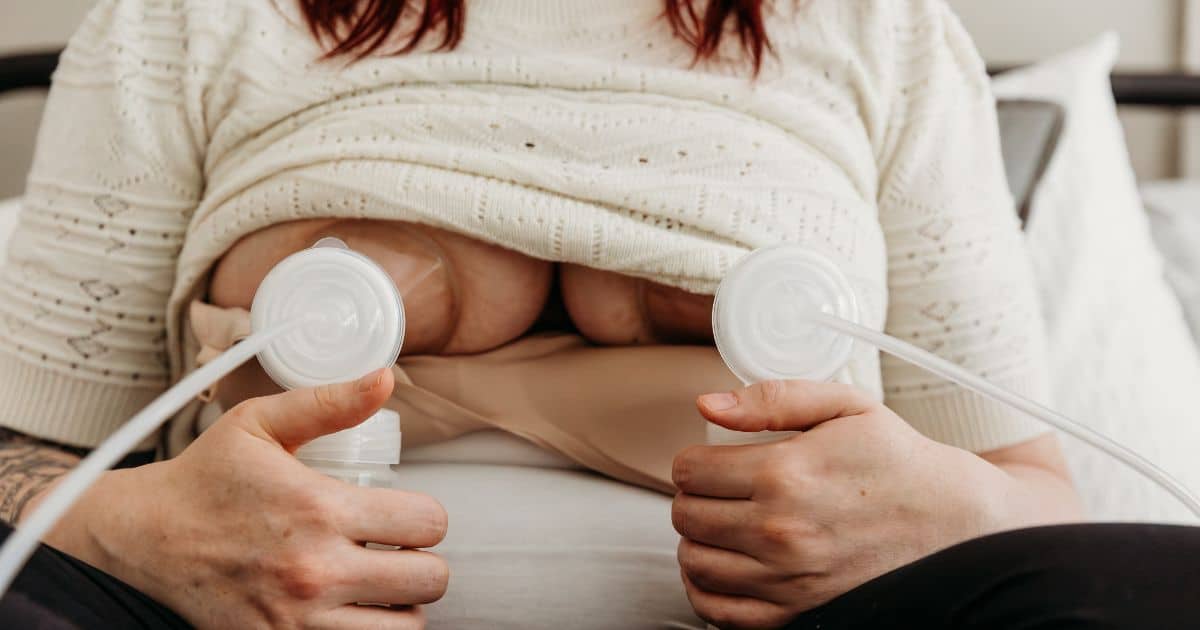
Whether you’re exclusively pumping, combination feeding, pumping at work, building a freezer stash, or pumping for intended parents, we’re here to guide you with compassion and clarity. Pumping can feel overwhelming at first — there’s equipment to learn, schedules to juggle, and a whole lot of “Am I doing this right?” moments.
Take a breath. You’re doing beautifully.
This guide will walk you step-by-step through the essentials:
- Why people choose to pump
- What breast pump equipment you actually need
- Insurance & Medicaid breast pump coverage
- When to start pumping after birth
- How to pump (with clear step-by-step instructions)
- Pumping schedules
- Cleaning and milk storage
- Troubleshooting common issues
- How postpartum doulas and newborn care specialists can lighten the load
There is no one “right” way to feed your baby — just the way that works best for your family. Let’s explore your options together.
Why Do People Pump?
Every parent’s feeding journey is unique. Here are some of the most common — and completely valid — reasons families choose to pump.
Returning to Work
If you’re heading back to work, a pump becomes your bridge between work life and feeding your baby. Pumping can help you:
- Maintain your supply
- Build confidence in your return-to-work plan
- Provide breast milk for your baby while you’re away
It becomes part of your daily rhythm, and many parents feel empowered by the ability to keep nourishing their babies from afar.
Boosting Milk Supply
A pump can be a gentle tool to encourage increased supply. Extra stimulation helps signal to your body that your baby needs more milk.
Creating a Freezer Stash
Whether for travel, emergencies, or simply peace of mind, building a freezer stash is a gift to your future self. Even a small stash can help boost your confidence that travel is not only possible, but that you’ll be able to fully support your baby throughout that time.
Latch or Feeding Challenges
Sometimes, breastfeeding doesn’t begin the way we imagined. If your baby struggles to latch, becomes tired quickly, or is in the NICU, pumping can keep your supply steady while giving your baby time to learn while regulating your milk.
Exclusively Pumping
Some families choose or are medically required to exclusively pump starting at birth. It’s a valid, loving feeding method that still provides all the incredible benefits of breast milk.
Pumping for Intended Parents
Gestational carriers, surrogate parents, or donors may pump to provide milk for babies they helped bring into the world to supplement the baby’s immediate needs.
Sharing Feeding Responsibilities
Pumping allows partners, caregivers, or doulas to participate in feeding, giving the primary parent a chance to rest or recover. Hiring a Newborn Care Specialist to help support you and your baby and allowing them to feed your baby while you get some much needed sleep is a fantastic reason to consider pumping.
What Breast Pump Equipment Do You Actually Need?
When you’re first exploring pumping, the gear can feel intimidating. Let’s simplify it together.
Types of Breast Pumps
Electric Pumps
These are the most commonly used and ideal for regular pumping. Popular options include:
- Medela Pump In Style
- Spectra S1/S2 (a favorite for comfort and efficiency)
Electric pumps are wonderful for staying consistent and maintaining supply. Electric pumps are also what you should consider to be your primary pump.
Wearable Hands-Free Pumps
If mobility is important, a hands-free pump may be your best friend. Common options include:
- Momcozy wearable pump
- Willow
- Elvie
They’re discreet, flexible, and great for busy moments. Hands-Free pumps, though useful, should not be your primary pump, as they are less effective at emptying the breast. They are a fantastic secondary, on the go option.
Manual Pumps
Lightweight and convenient, manual pumps like the Haakaa or Lansinoh hand pump are perfect for catching letdown or pumping on the go.
Hospital-Grade Pumps
These are the strongest pumps and are often recommended when:
- Baby is premature
- Parent is exclusively pumping
- There are supply concerns
Hospitals often loan these, and they can make a noticeable difference.
Does Insurance or Medicaid Cover Breast Pumps?
Yes — most insurance plans do, and many Medicaid plans cover pumps as well.
How to check your coverage:
- Call the number on your insurance card
- Ask which pumps are covered (Medela? Spectra? Others?)
- Request timing requirements — some ship only after birth
- Request a prescription if needed
You can also log in to your insurance portal to view which pumps they have available for free or which would require an upcharge.
If you have Medicaid, coverage often includes a standard electric pump through an approved medical supplier.
Pumping Accessories You Actually Need
You don’t need everything in the newborn aisle — just the essentials.
- Correct flange size (this is the #1 pain culprit!)
- Hands-free pumping bra
- Milk storage bags or containers
- Cooler bag for work or travel
- Replacement valves and membranes
- Pump cleaning tools or microwave steam bags
A welcome home Newborn Care Specialist can help you set up and test everything so pumping feels smooth, not stressful.
When Should You Start Pumping After Birth?
This depends on your feeding goals, but here’s a gentle guideline:
- Day 1: If baby can’t latch or you’re exclusively pumping
- 2–4 weeks: Once breastfeeding is established and supply feels steady
- Before returning to work: Start 2–3 weeks beforehand
- If you miss a feeding: Pump to protect supply
- Exclusively pumping: Begin within the first few hours after birth if possible
Remember: you can always reach out for support — pumping doesn’t have to be a lonely journey. If you give birth in a hospital, the nursing staff can help you establish a pumping schedule and set up an appointment with the on-site lactation consultant as well.
How to Pump: Step-by-Step Guide
Step 1: Set Up Your Breast Pump
Assemble your parts, check tubing, and position yourself somewhere comfortable.
Wearables like the Momcozy require a bit of practice at first, be patient with yourself.
Step 2: Correct Flange Placement
Your nipple should move freely in the center of the tunnel. If you feel rubbing or pinching, your flange size may be off (a common and fixable issue). Having a lactation consultant measure your nipples in the hospital can help determine the correct flange size.
Step 3: Start With Stimulation Mode
This mimics a baby’s quick early suckling to trigger letdown.
Step 4: Switch to Expression Mode
Once you see milk flowing, transition to a slower, deeper suction pattern.
Step 5: How Long Should You Pump?
Typically 15–20 minutes, or until milk slows.
Exclusively pumping parents may pump 20–30 minutes.
Step 6: Single vs. Double Pumping
Double pumping saves time and boosts milk-making hormones. Single pumping can be helpful if your baby has only drained one breast and you need to empty, are feeling engorged or are looking to create a freezer stash.
Step 7: How Pumping Should Feel
Pumping should NOT hurt. Mild discomfort at first is normal, but sharp pain isn’t. If you’re asking “does breastfeeding hurt?” it shouldn’t. Pain is information, and we can troubleshoot it.
Cleaning Pump Parts & Storing Breast Milk
Cleaning
Following CDC guidelines for cleaning and sanitizing breast pump parts:
- Wash parts that touch milk after every use
- Tubing does NOT need washing (if water gets in tubes they may need to be replaced)
- Use warm soapy water or top-rack dishwasher
- Sanitize once a day (using steam bags, boiling or using a countertop sterilizer)
A postpartum doula can take this task off your plate, especially during overnight support.
Breast Milk Storage
Refer to CDC guidelines for full details.
General storage rules:
- Room temp: 4 hours
- Fridge: 4 days
- Freezer: 6–12 months
- Label clearly
- Never refreeze thawed milk
Pumping Schedules: How Often and How Long
How Often to Pump Breast Milk?
Try to mimic your baby’s feeding rhythm. If you’re pumping after feeding, are returning to work or plan to exclusively nurse when home, there are options for you. You’re doing a wonderful job — schedules are tools, not rules.
Sample Schedules
Breastfeeding + Pumping
- Pump after the first morning feed
- Pump after baby’s longest sleep
- Optional evening pump to increase supply
Exclusively Pumping
Aim for 8–10 sessions per day:
6am • 9am • 12pm • 3pm • 6pm • 9pm • 12am • 3am
Working Parents
- Pump every 3 hours at work
- Feed morning, after work, and before bed
Night Pumping
If your baby is under 12 weeks or your supply dips easily, one night session can be helpful.
Troubleshooting Common Pumping Problems
- Pumping Hurts: Check flange size and suction levels. Pain is your body’s way of asking for a small adjustment.
- No Milk Coming Out: Try warmth, massage, deep breaths and switching modes on the pump.
- One Side Produces More: Totally normal. Most bodies have a “power boob.”
- Clogged Ducts or Mastitis: Frequent gentle pumping, cold compresses, and massage help. Call your provider if fever or rash develops.
- Power Pumping: A technique to boost supply during dips. It’s like a pep rally for your milk supply.
- Method 1: Pump for 10 minutes, rest for 10 minutes, pump for 10 minutes, rest for 10 minutes, then pump for 10 minutes.
- Method 2: Pump for 15-20 minutes, rest for 10 minutes, then pump in 10-minute bursts, repeating the cycle for about 60 minutes.
- When to do it: Typically, it is done once a day for a short period, often 3 to 7 days, to see results.
How a Postpartum Doula or Newborn Care Specialist Can Help
Pumping can feel like a full-time job, but you don’t have to do it alone.
A Postpartum Doula or Newborn Care Specialist can support you by:
- Setting up pump parts correctly
- Cleaning and sanitizing parts
- Preparing bottles
- Helping you create a realistic breast pumping schedule
- Providing overnight care so you can rest- sleep deprivation is one of the leading causes of postpartum depression, getting sleep can rewire your brain and help you be a better parent during the day
- Bringing baby to you for feeds or helping manage pumping sessions
- Supporting you after a C-section
- Guiding NICU pumping routines
- Helping intended parents learn feeding systems
You deserve rest. You deserve support. You deserve to feel confident in your feeding journey. We’re here to help your early parenthood feel gentler, calmer, and beautifully supported. If you need help with pumping, feeding or any stage of the transition to early parenting, find out more about our overnight newborn care, daytime support and 24/7 in-home newborn care. Reach out today to find someone who will not only support you, but who will empower you throughout your journey.

Helpful tips from your team at Well Supported Family.
Expert postpartum and newborn advice you can trust.
Since 2016, Well Supported Family has walked alongside thousands of new parents as they adjust to life with a newborn. Our certified Postpartum Doulas and Newborn Care Specialists offer daytime, overnight, and 24/7 in-home care across the United States, bringing steady, knowledgeable support right to your door. If you’re recovering from birth, navigating feeding, or simply overwhelmed by the lack of sleep, we’re here to make those early days feel a little lighter.
Want to explore in-home care for your new family? Reach out today.