
When to Transition Out of a Swaddle
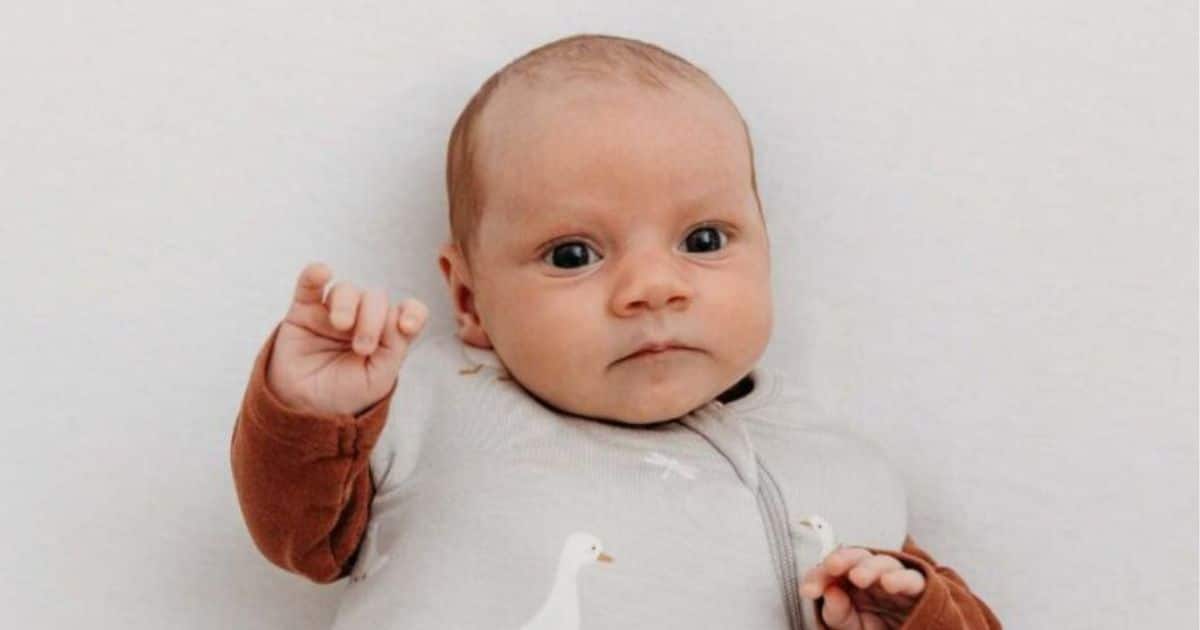
We love swaddling. Swaddling is a universal tool that can benefit babies and parents alike. Swaddling a newborn is a safe practice that replicates the snug feeling of the womb, which helps babies transition smoothly to life on the outside.
Many of our Newborn Care Specialists and Postpartum Doulas lean heavily on swaddling to help comfort and soothe babies throughout the night while providing in-home newborn care.
It’s important to know that swaddling is a great option to soothe NEWBORNS. And like all good things, it must eventually come to an end. As newborns hit certain developmental milestones, swaddling with arms in is no longer safe. We follow all AAP safe sleep guidelines at our agency and encourage parents to do the same. Let’s talk about when to transition out of a swaddle and how to ease the process.
What are the benefits of swaddling?
Before we begin, why should you swaddle at all? Many new parents feel concerned that their babies don’t like to be swaddled. They may feel it restricts their movement or makes them feel trapped.
But typically, the opposite is true. Babies have been in utero for nine long months and are used to its tight embrace. Swaddling helps babies feel snug and secure. Too much space can make them feel unsettled. Furthermore, they don’t have much control over their arms at the beginning of life, and without swaddling their apt to constantly wake themselves up by accident.
Additional benefits of swaddling include:
- Reduced Startle Reflex: Swaddling helps limit the involuntary startle reflex, called the Moro reflex, allowing babies to sleep more soundly by preventing sudden movements that disrupt sleep.
- Safety: Swaddling a newborn with arms in helps ensure they will remain on their back to sleep, which is the only safe sleeping position advised by the American Academy of Pediatrics.
- Breastfeeding Support: Swaddling can reduce crying, ultimately leading to a smoother breastfeeding journey. Babies feed best when they’re relaxed.
Tip: Does your baby hate swaddling? They might not be swaddled tight enough! Magic swaddling video: Here.
Swaddling Safety Tips
When done correctly, swaddling is a safe, time-honored way to set your newborn up for great sleep. Here are some swaddling safety tips to consider:
- Sleep positioning: Always place your baby on their back to sleep on a firm, flat surface made for infant sleep such as a crib or bassinet. Never bedshare with a swaddled baby.
- Secure Swaddle: The swaddle should be snugly wrapped around the baby’s shoulders and chest, but not so tight that it restricts breathing or so low that it impacts hip movement. Make sure the swaddle blanket is securely tucked in and won’t come loose during sleep.
- Avoid Overheating: Double swaddling can be an effective way to keep those particular Houdini babies from escaping their swaddle, but do not use more than two swaddling blankets to prevent overheating. Ensure your baby is dressed appropriately for sleep. The recommended thermostat temperature for safe sleep is 68-72°F.
- Age and Development: Stop swaddling once your baby starts showing signs of attempting to roll over, as swaddling is not safe once the baby can roll onto their belly. More on this below!
When do I need to stop swaddling my baby?
While there are many benefits of swaddling, and it will absolutely make your life easier as a new parent, there will come a time when it’s no longer safe or needed. Thankfully these milestones tend to happen around the same time, as babies are often learning how to roll as their Moro reflex is also lessening.
Simply put, when to transition out of a swaddle is when a baby begins to show signs of rolling over. This typically occurs around 2 to 4 months of age. The American Academy of Pediatrics (AAP) suggests that the transition away from swaddling can occur as early as 8 weeks old, depending on when the baby starts displaying signs of rolling.
Once a baby can roll from their back to their belly, it’s no longer safe to swaddle them with arms in, as they need those hands free to push up and maneuver themselves into safe positions. This milestone can take parents by surprise, so it’s best plan ahead for the swaddle transition. You can do this by introducing gradual changes to help the baby adapt, such as swaddling with one arm in and one arm out. Make sure to alternate which arm is out for each nap to help your baby adjust.
Tip: This does NOT mean that your brand-new baby is flopping to their side because of the newborn curl. And it does not mean that if your baby throws themselves from their front to their back.

How do I transition my baby out of a swaddle?
If they are starting to show signs of rolling, or if they’re simply at an age where you’re ready to transition them, you can do this process slowly. Here is an example of what has worked for parents we’ve supported in the past:
Day one: Have one arm out for every nap, switching which arm is out for each nap.
Night one: Both arms in
Day two: Have one arm out for every nap, switching which arm is out for each nap.
Night two: Both arms in
Day three: Have one arm out for every nap, switching which arm is out for each nap.
Night three: One arm out [but can bail partway through the night if needed]
Day four: Have one arm out for every nap, switching which arm is out for each nap.
Night four: One arm out
Day five: Both naps out for naps
Night five: One arm out
Night six: Both arms out for naps
Night six: Both arms out for night
If your baby is actively rolling, unfortunately, you will need to wean them off cold turkey to a sleep sack. It is not safe to be swaddled on their belly, and it isn’t practical/possible to be watching them all night.
Swaddle weaning tips
If they roll to their belly on their own, leave them! They’re okay and will likely sleep better in that position.
You might need to work on some crib-side soothing. Sometimes you might need to hold their arms for them as they fall asleep and get used to having them free.
You might want to try to swaddle their torso or get a sleep sack with a heavier tog [Ex: Gunamuna] to have the same feeling of security.
A transitional swaddle like the Zipadee-zip might be appropriate if your baby is having a difficult transition.
Ideal Sleep Environment
Many parents are intimidated by the idea of transitioning out of a swaddle. Rest assured, this change usually goes over better than anticipated. Remember that swaddling is not the only tool in your arsenal to support your baby’s sleep. Other tips for creating an ideal sleep environment include:
- Ensure the room is very dark (too dark to read a glossy magazine)
- Use a sound machine
- Consider using a pacifier to reduce the risk of SIDS
- Monitor wake windows to ensure your baby isn’t overtired
- Follow a reliable daytime and bedtime routine
If you’re struggling with transitioning your baby out of a swaddle, reach out! Our expert team team has helped hundreds of babies through this transition both virtually and in person, and we promise your little one will make it through, too.

Helpful tips from your team at Well Supported Family.
Expert postpartum and newborn advice you can trust.
Since 2016, Well Supported Family has walked alongside thousands of new parents as they adjust to life with a newborn. Our certified Postpartum Doulas and Newborn Care Specialists offer daytime, overnight, and 24/7 in-home care across the United States, bringing steady, knowledgeable support right to your door. If you’re recovering from birth, navigating feeding, or simply overwhelmed by the lack of sleep, we’re here to make those early days feel a little lighter.
Want to explore in-home care for your new family? Reach out today.