
Postpartum Depression and Anxiety: Why Your Brain is Your Worst Enemy
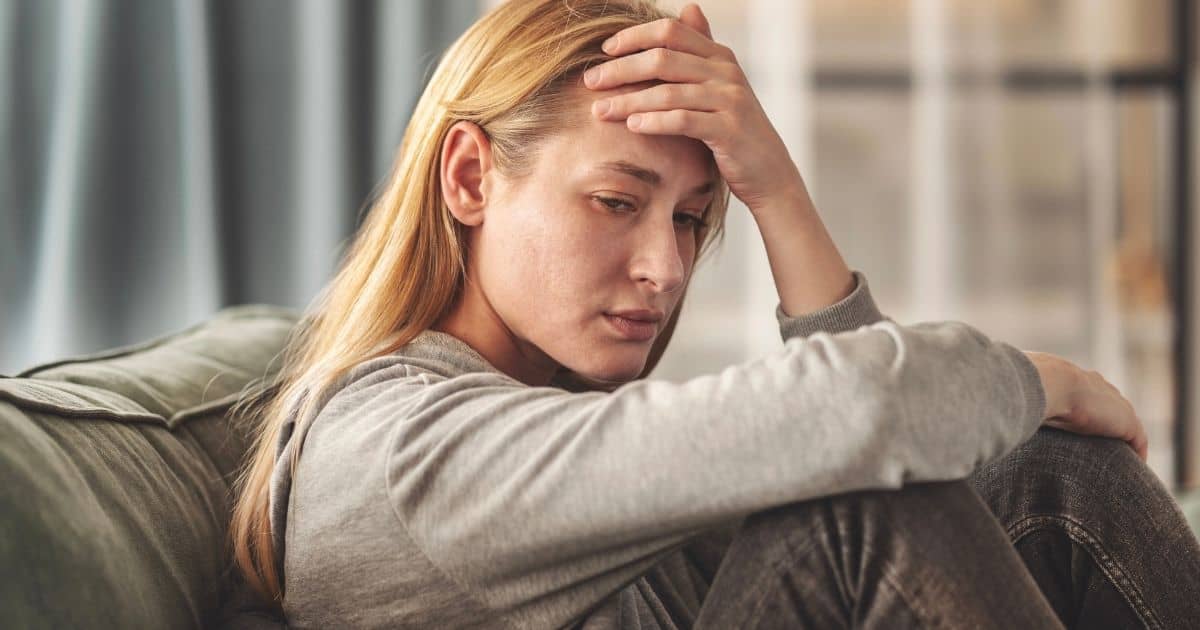
Thirty-six hours into being a mom, I knew I was doomed. It was the first time I had let the nurses take my daughter to the nursery to be weighed, the first time she had left my sight since she so explosively left my body. Two seconds after the door closed, I began howling. I was inconsolable, sure something would go horribly wrong, terrified I made a mistake by not having my husband accompany them to the nursery. Even when she was back in my arms, I couldn’t shake the innate fear that something horrible would happen.
I was told it was the hormone dump from giving birth. Seventeen months later, and it’s still a feeling I’m struggling to shake. Now it has a name: Postpartum Depression and Anxiety.
My experience is similar to many other parents that I talk to. We work with hundreds of families every year. Please know that if you’re feeling this way too, you’re not alone.
What is Postpartum Depression, Anxiety and Depression?
“Why doesn’t anyone talk about this?” is a question we hear a lot, both as new parents and Newborn Care Specialists. One major aspect of postpartum is that, for 1 in 7 parents, Postpartum Depression or Postpartum Anxiety is one of those topics that seems to get swept under the rug.
Postpartum Depression:
According to the Cleveland Clinic, Postpartum depression (PPD) is a type of depression that typically happens after childbirth. It includes feeling extreme loneliness or sadness, having severe anxiety or mood swings and losing interest in things you normally enjoy. It can start during pregnancy but most commonly starts within the first six weeks to a year following the birth of your child. Postpartum Depression lasts longer than the typical “Baby Blues” and is more intense and unrelenting.
Postpartum Anxiety:
Postpartum Anxiety is classified as severe anxiety after having a baby or becoming a parent. These overwhelming thoughts are often out of control and hard to manage. You may feel a constant sense of danger but be unable to put your finger on a cause or calm your thoughts.
PPD and PPA can seem like a normal reaction to having a child at first; the main difference is that these thoughts often last longer and stick with you, you are unable to shake them, they affect your quality of life, and they can be all-consuming.
What Can PPD and PPA Actually Feel Like?
It’s easy to Google what symptoms of Postpartum Depression and Anxiety look like; it’s a whole other thing to be living it. For me, it was a deep and unshakable sense of feeling like everything I did was wrong. I couldn’t walk after having an emergency C-section, so I was depressed about not being able to help my husband as much. Breastfeeding ended in tears for both my baby and me, but my sobs lasted much longer. It was feeling lonely even when I had an amazing support system. Refusing to sleep and heal my body, in case the baby needed me.
Postpartum Anxiety became more prevalent as time went on. I worried every second of the day about something happening to my baby. I couldn’t leave her alone for more than two minutes without panicking. I thought of things that could happen to her that were out of my control and spent most of the day in a frenzied state of panic.
It was when I started imagining horrific situations and started wondering if my daughter would be better off without me that I realized something was really wrong. That I needed help.

What to do If You or Someone You Love Has PPD or PPA:
First, it’s important to note that there is absolutely nothing wrong with asking for help. From your partner, from your support system, from professionals or therapists.
Asking for help can be difficult; it can feel like you’re admitting a fault and opening yourself up to vulnerability, but we were never meant to do this alone. So much goes into taking care of the baby that sometimes parents’ needs get overlooked. This is not a failure of the parent, but a failure of society.
It can also be tricky to get help for your partner. While you may be seeing signs of PPD or PPA, a new parent may not be receptive to hearing that you see them struggling. Having the difficult conversation before birth about who they would like you to contact in case you notice anything can be helpful. It can also be great to bring in outside support.
We spend the entire pregnancy caring for birthing parents, only to completely shift the focus to the newborn when they come. The reality is, newborns need a lot, sure, but parents need just as much, if not more. Your newborn also needs you, and that means a mentally and physically supported you.
How Well Supported Family Can Help:
Well Supported Family is just that: postpartum support for parents who want to learn more, feel supported and have a professional within their village. We have worked with thousands of new parents and know how to navigate situations where things might seem impossible, or times when you feel like you can’t get ahead.
We understand how daunting it can be to allow someone into your home to help you get such much-needed sleep, and to leave them with your baby when your mind has turned against you. We know when to hold your hand and tell you everything is okay, and when to quietly sit and listen. We know how to uniquely support you and your family.
Book a call today to get the support your family not only needs, but deserves. Because your family deserves you at your best, and we can help you in the moments you feel anything but that.

Helpful tips from your team at Well Supported Family.
Expert postpartum and newborn advice you can trust.
Since 2016, Well Supported Family has walked alongside thousands of new parents as they adjust to life with a newborn. Our certified Postpartum Doulas and Newborn Care Specialists offer daytime, overnight, and 24/7 in-home care across the United States, bringing steady, knowledgeable support right to your door. If you’re recovering from birth, navigating feeding, or simply overwhelmed by the lack of sleep, we’re here to make those early days feel a little lighter.
Want to explore in-home care for your new family? Reach out today.